
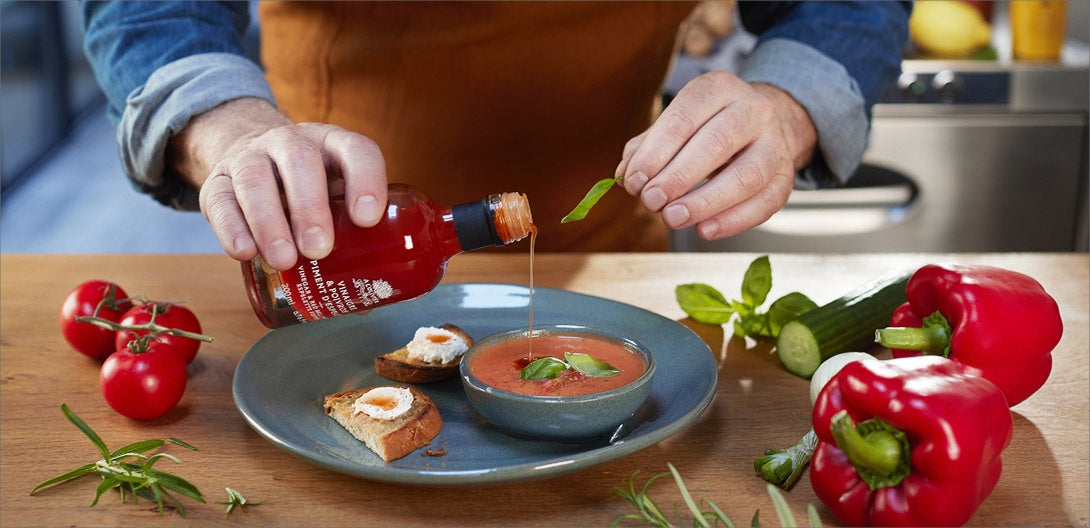
Flavoring and seasoning recipes
Seasoning refers to the addition of elements (salt, pepper, spices, herbs, oils, vinegars, etc.) intended to enhance, personalize, or elevate the taste of dishes. An essential yet delicate art, it begins with knowledge of the ingredients.
Salt
There are several types of salt. Fine or "cooking" salt is always at hand for cooks and guests to salt dishes during preparation or at the table. Coarse salt is mainly used to salt pasta water or broths, or to make salt crusts. Fleur de sel, finally, is exclusively sprinkled at the end of cooking or cold to avoid altering the crunchy texture of its crystals.
Pepper
The ultimate spice! There is a multitude of peppers. The "true" ones, from Piper nigrum, are black, grey, white, or green. Long pepper or cubeb, also part of the Piperaceae family, are also highly appreciated. There are also "false peppers" from other botanical families, such as Sichuan, Selim, or pink peppercorns. All have different tastes and therefore different uses.
Spices and herbs
Spices enhance or bring a specific taste to certain specialties, such as masala for a curry, ras el-hanout in a tagine, or cinnamon in speculoos. It's best to grind them at the last moment and, for some recipes, to toast them beforehand in a pan. Aromatic herbs add personality and freshness to everyday cooking. Their flavors can be found in delicately scented infused oils, such as basil or thyme.
When to season?
A big question! No particular difficulty for vegetables (except legumes, which should be salted at the end of cooking to avoid hardening), but seasoning meat is not always easy. Grilled meats are generally salted at the end of cooking to prevent their natural juices from escaping, but salting halfway through cooking allows for flavorful cooking juices. And pepper? Raw use preserves the aromas but does not reveal the potency. The case of herbs is special: dried ones should be added at the beginning, fresh or frozen ones rather at the end. Whether it's spices or herbs, also think about marinades.
Taste your dishes before and after seasoning
It cannot be stressed enough: to cook well, you must taste. Even the best cooks need to test their creations as they go. Some ingredients even benefit from being tasted before you start. A tomato, for example, can be more or less acidic and sweet. For cooked dishes, it is necessary to adjust the seasoning once cooking is advanced or before serving.
Aromatic oils to season your dishes
Less well known, aromatic or flavored oils are the finishing touch that changes everything!
How to use them?
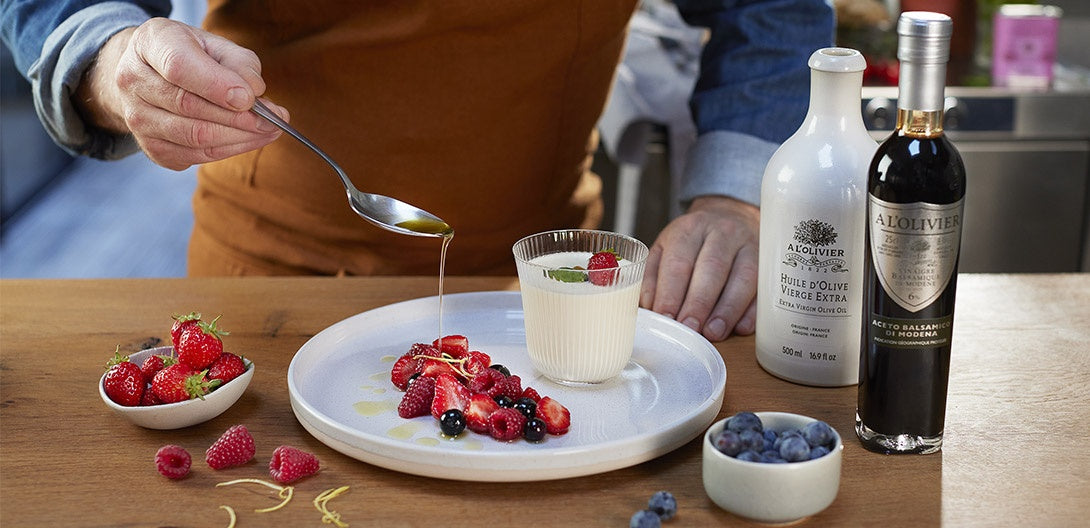
Scented with different elements (herbs, flowers, spices, citrus...), ideally by maceration, these oils can simply be served on toasted bread slices. Of course, they season salads, steamed vegetables, grilled meats and fish, al dente pasta... Well combined with vinegars, they also create original vinaigrettes.
Which oil for which use?
Good pairings are often common, but originality is a good thing! Black truffle oil sublimates potatoes, steamed or mashed. The lemon one awakens fish, beef or fennel carpaccio. As for herbs de Provence oil, it is perfect in a warm goat cheese salad, the oregano one perfectly enhances a pizza, and the basil one is essential for drizzling over a tomato-mozzarella salad or perfecting garlic pasta. More original, the smoked chili oil is ideal for contrasting with the sweetness of carrots or sweet potatoes, and the vanilla and kaffir lime zest oil is unparalleled for elevating a fruit salad... Let your creativity flow!



Leave a comment
This site is protected by hCaptcha and the hCaptcha Privacy Policy and Terms of Service apply.