
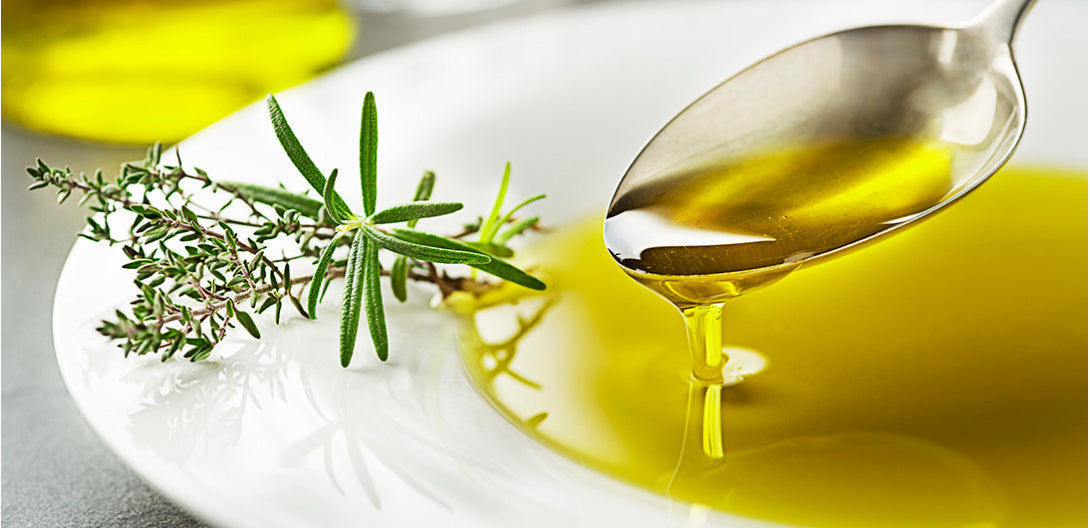
The most common vegetable oils used in cooking
In cooking, oils are classified into two categories: those that can withstand cooking and those that are recommended to be consumed cold, only as a seasoning or as a final touch to a dish. In addition to extra virgin olive oil (which can be used for seasoning and cooking) and rapeseed oil (to be reserved for cold use), sunflower oil, plain or flavored, also has many advantages. Widely used in professional cooking because it does not solidify when cold, grapeseed oil is primarily used to make mayonnaise, as its taste is neutral. Let's take a closer look at the three most commonly used oils.
Extra virgin olive oil
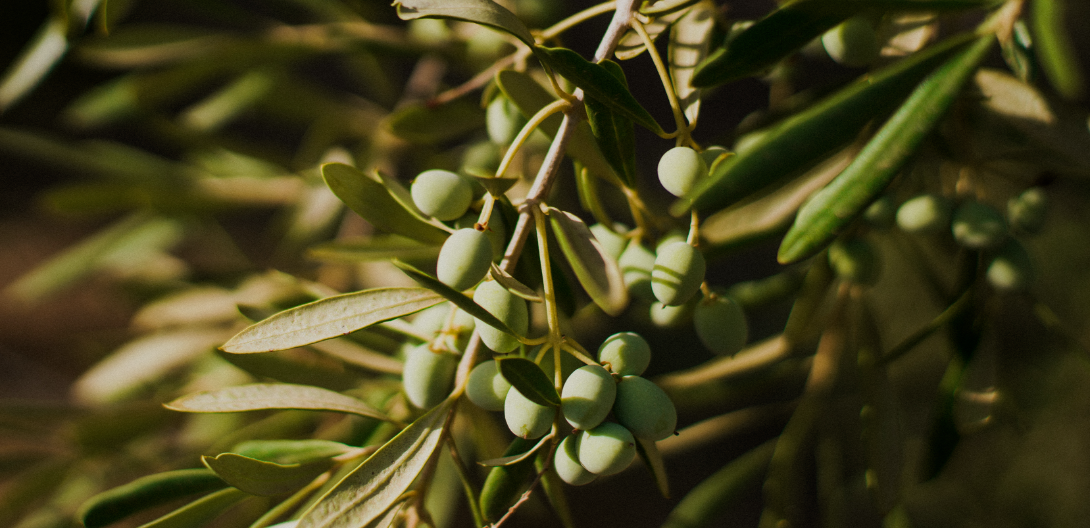
Extra virgin olive oil, considered the best olive oil, must be free of any organoleptic defects. Its oleic acid content must be less than 0.8%, whereas it can go up to 2% for virgin olive oil. The latter may have very slight taste defects according to regulations. In any case, cold pressing is intrinsic to manufacturing in modern continuous and centrifugal mills. The "first cold pressing" formula corresponds to a bygone era when press mills, which did not have the power of current equipment, performed a second pressing with added hot water. Cold-pressed olives retain all their benefits. Another strong point of olive oil: it can be used cold and hot, as it can be heated to high temperatures without degrading. Like all oils, care must be taken not to let it smoke. For cold use, for vinaigrettes and seasonings, choose a refined extra virgin olive oil such as our AOP Vallée des Baux-de-Provence oil or AOP Corsican oil. For cooking and hot uses, a good everyday oil is sufficient, for example our Cuvée Espagne. To use the right amount, remember to measure your oil with a tablespoon.
Rapeseed oil
Virgin rapeseed oil is rich in vitamins and monounsaturated (omega 9) and polyunsaturated (omega 3 and 6) fatty acids, as well as vitamin E. It must be used cold, for vinaigrettes and dressings. Not heating rapeseed oil preserves its nutritional properties intact.
Sunflower oil
We should rather speak of sunflower oils in the plural, as there is a real diversity in this oil, one of the most consumed in France. On one hand, there is linoleic sunflower oil, mainly rich in omega 6, and on the other, oleic sunflower oil, which contains more omega 9. While linoleic sunflower oil can only be consumed cold, as a seasoning, oleic sunflower oil withstands heat very well and is also used for cooking. With a much more neutral flavor than olive oil, oleic sunflower oil is also a good base for capturing the flavors of fresh aromatic plants or spices, whose taste would not go with that of olive oil. This is why we have chosen sunflower oil to extract all the aromas of Thai basil, curry and smoked chipotle pepper: to be used in salads for a change from everyday life, but also as a finishing touch on fried rice or a curry.
Nut and seed oils
Among oleaginous plants (i.e., those that produce oil), nuts (walnuts, hazelnuts, almonds, cashews, pistachios, pecans, Grenoble walnuts...) and seeds (sesame, flax, pumpkin, hemp, chia...) represent a significant part of production. To store them well, it is best to get into the habit of placing opened oil bottles in the refrigerator to prevent them from going rancid.
Sesame oil
Rich in vitamins E and K1, sesame oil is rich in monounsaturated and saturated fatty acids and antioxidants. It can be made from raw sesame, with a milder flavor, or from lightly toasted sesame, with a more pronounced taste reminiscent of hazelnut. At A l'Olivier, we have opted for toasted sesame, cold-pressed to retain its delicacy. Particularly popular in Asian cuisines, sesame oil is used in small quantities, for a ginger vinaigrette, in a chicken marinade with soy sauce, and as a finishing touch on stir-fried noodles with pak choy cabbage.
Pistachio oil
In antiquity, Greeks attributed pain-relieving properties to pistachios and used their oil for wounds or burns to aid healing and prevent infection. Nowadays, pistachio oil is primarily enjoyed for its delicate sweet notes, in both savory and sweet dishes. It balances the hint of bitterness in foie gras, as well as gizzards and poultry livers: with a little sherry vinegar, consider pistachio oil to season a lamb's lettuce salad that will perfectly accompany them. In a dessert, pistachio oil enhances almond flavors, as in financiers or even in a galette des rois. It also pairs deliciously with chocolate.
Walnut and hazelnut oil
Walnut and hazelnut oils contain omega-3s. Walnut oil, with its rich and very gourmet taste, is perfectly highlighted in an endive or radicchio salad. Lentils (cold in a salad or hot) will be even better with a drizzle of walnut oil and a few drops of sherry vinegar. In dessert, it enhances the taste of walnut cake, and is also used in pralines. Hazelnut oil has a more delicate flavor. The one carefully prepared by A l'Olivier has an intense aroma of toasted hazelnuts, even more subtle. It is delicious on fresh cheese toast, to season a winter lamb's lettuce salad or a frisée aux lardons. The long-proven combination of hazelnut and chocolate means hazelnut oil will bring its gourmet touch to a spread, a chocolate cake or hazelnut and chocolate ice cream.
What about infused aromatic oils?
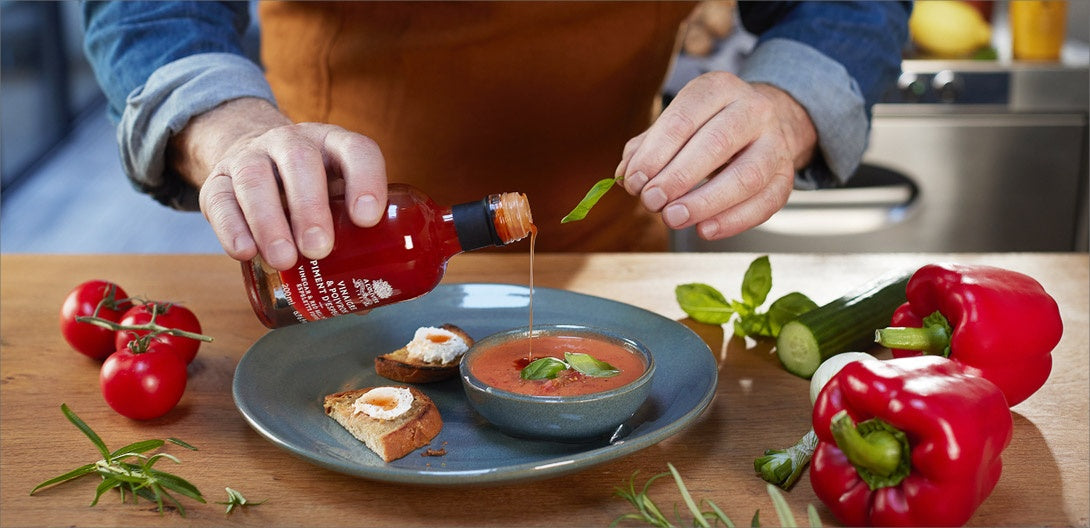
Essential in any kitchen, aromatic oils infused with plants allow you to bring all the aromas of aromatic plants in one gesture: thyme, rosemary, basil... They also know how to enhance spices, especially chili peppers and curry. Other vegetables can benefit from this natural process, of which A l'Olivier is one of the specialists, such as lemon which pairs particularly well with olive oil. Finally, black truffle infused aromatic oil or white truffle infused aromatic oil are true to the original flavor of these festive mushrooms, and allow you to enjoy them all year round, not just for the end-of-year holidays. These infused aromatic oils are preferably used cold, to enjoy their beautiful intensity of taste. They make a delicious gourmet gift to give... or to treat yourself!
Small tip: remember to regularly vary your cooking oils and seasoning oils, to vary your intake. Another effective tip: mix two types of oil with different nutritional profiles in your vinaigrettes (rapeseed + plain or infused olive oil, sesame + olive oil, walnut + olive...) to enjoy all their benefits in one bite.

Leave a comment
This site is protected by hCaptcha and the hCaptcha Privacy Policy and Terms of Service apply.