

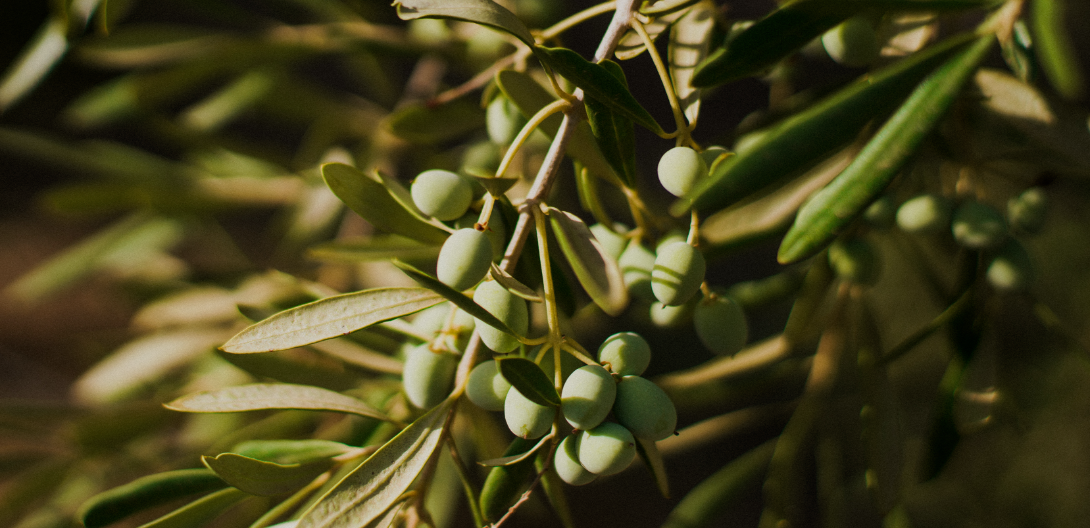
Olive oil in brief
A star of the famous Mediterranean diet, enjoying a great gastronomic reputation, olive oil is one of the favorite vegetable oils of gourmets and people committed to healthy eating. This juice of fresh olives is obtained by exclusively mechanical processes. To find what you're looking for, there's no need to rely on pretty labels and folkloric Provençal colors: it's better to read the labels! Indeed, it is a product that complies with strict regulations, issued by the European Union.
How to choose quality olive oil?
Several indicators allow us to know the quality of olive oil, determined by both chemical and organoleptic criteria.
Extra virgin or virgin oils
Extra virgin olive oils, considered the best, must be free of any organoleptic defects. Their oleic acid content is less than 0.8%, whereas it can go up to 2% for virgin olive oil. The latter may have very slight taste defects according to regulations. In any case, cold pressing is intrinsic to the manufacturing process in modern mills with continuous and centrifugal systems. The phrase "first cold pressing" refers to a time when press mills, which did not have the power of current equipment, performed a second pressing with added hot water.
Appellations (PDO, AOC)
Protected Designations of Origin (PDO) or Controlled Designations of Origin (AOC) are equivalent. The former concern the European territory and the latter France. Both attest to a strong link with the cultivation and production terroir, which is itself strictly delimited. France thus has eight PDOs: Nyons, Vallée des Baux-de-Provence, Haute Provence, Provence, Aix-en-Provence, Nîmes, Nice, and Corsica. The Designation of Origin, always clearly indicated on the labels, is a guarantee of quality that ensures an oil with character, produced according to ancestral know-how.
Indication of origins
Beyond the appellation, the mention of origin is mandatory on the packaging of extra virgin olive oils sold in the European Union.
The fruitiness (black, green, ripe)
The fruitiness indicates olfactory and gustatory characteristics that depend notably on the ripeness and processing of the olives:
- Green fruitiness refers to olives harvested rather early in the season, before maturity, giving fresh, pungent, and slightly bitter extra virgin olive oils.
- Ripe fruitiness comes from olives harvested at maturity. The oils are softer and rounder.
- Black fruitiness, a Provençal specialty, is produced from olives that have undergone controlled fermentation. These oils reproduce the flavors of yesteryear, with aromas of black tapenade or even undergrowth. They are identified by the mentions "Olives maturées" (matured olives) or "Goût à l'ancienne" (old-fashioned taste).
The container
The best olive oils are generally packaged in opaque or dark glass bottles or in metal cans, which protect them from light, just like the stoneware bottles in which olive oil was historically sold. Plastic bottles are for lower quality oils, which can nevertheless be suitable for cooking.
Oil filtering
Filtering (or filtration) of the oil removes residues from the liquid before bottling, which ensures better preservation. However, some connoisseurs prefer unfiltered oil, which they find more flavorful... In such cases, it is ideal to choose oils from new harvests and consume them quickly, as taste defects related to the absence of filtering develop over the months.
Storage
At home, olive oil should be stored away from light and heat.
Our selection of olive oils
For cooking, a good everyday oil is sufficient, for example our on a crunchy vegetable tartare or PDO Provence "Olives maturées" on mashed potatoes; PDO Haute-Provence with goat cheese or as a finishing touch on a vegetable tian; PDO Nyons on fresh pasta or a fresh fruit salad with basil.
Also consider the extra virgin olive oil from the Grasse mill, a fabulous green fruitiness on a ceviche, or our olive oil from centennial olive trees, a black fruitiness to taste on pan-fried vegetables or scallops. Truly haute couture oils!


Leave a comment
This site is protected by hCaptcha and the hCaptcha Privacy Policy and Terms of Service apply.